Chemical Processing
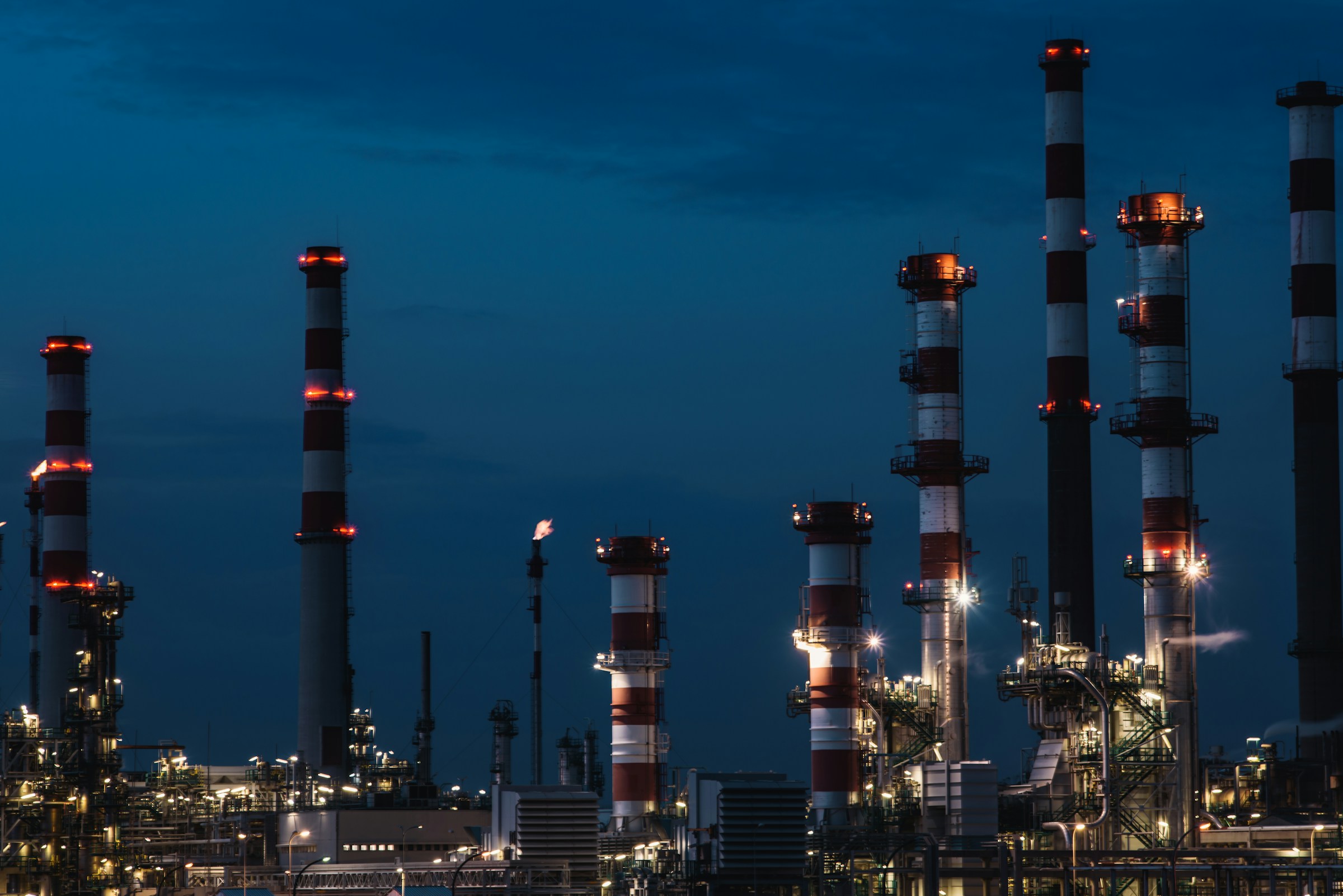
The Chemical Process Industry (CPI) is the broad industrial market that converts raw materials into chemicals, fuels, polymers, specialty materials, and other processed products through chemical reactions, separation, heating, cooling, mixing, compression, and fluid handling.

Chemical Solutions
CPI plants are highly equipment-intensive. Typical facilities contain large numbers of pumps, valves, compressors, reactors, pressure vessels, mixers, heat exchangers, piping systems, filtration equipment, and instrumentation. Much of this equipment operates continuously and handles corrosive, hazardous, high-temperature, or high-pressure fluids.
Sealing
CPI Operations
CPI plants are highly equipment-intensive. Typical facilities contain large numbers of pumps, valves, compressors, reactors, pressure vessels, mixers, heat exchangers, piping systems, filtration equipment, and instrumentation. Much of this equipment operates continuously and handles corrosive, hazardous, high-temperature, or high-pressure fluids.
Chemical resistance
CPI media range from strong acids and caustics to solvents and chlorinated compounds. Seal elements come in PTFE, evolast® FFKM, FKM, and EPDM so material matches the fluid and temperature instead of one compound covering every service.
Temperature and pressure
Reactors, heat exchangers, and pumps see wide thermal cycling and pressure swings. Spring-energized designs hold contact force from cold startup to full operating temperature, resisting extrusion and compression set where standard elastomers fail.
Containment and uptime
Leakage in CPI is a safety and emissions issue, not just maintenance. Low-friction lips and consistent sealing force reduce fugitive emissions, extend time between shutdowns, and support compliance in continuous-duty equipment.